
Memorial Day and the Meaning of Sacrifice: A R.I.S.E. Reflection on Patriotism, Responsibility, and Renewal
By Dr. Eric M. Wallace
Every year on Memorial Day, Americans gather at cemeteries, memorials, parades, and church services to honor those who gave their lives in defense of this nation. Flags are placed beside weathered gravestones. Families remember loved ones. Communities pause to reflect upon the cost of liberty.
But Memorial Day is more than a long weekend or the unofficial start of summer. It is a moral reminder that freedom is never free.
No voices capture this truth more profoundly than Frederick Douglass and Booker T. Washington. Though separated by generation and temperament, both men understood that patriotism requires sacrifice, citizenship requires responsibility, and liberty requires virtue.
Douglass, the former slave turned abolitionist, understood the hypocrisy and promise of America better than most. He fiercely condemned the nation’s sins while still believing in its founding ideals. During the Civil War, he called upon Black men to fight for the Union, declaring: “Once let the black man get upon his person the brass letters, U.S., let him get an eagle on his button and a musket on his shoulder and bullets in his pocket, and there is no power on earth which can deny that he has earned the right to citizenship.”
Douglass understood something many Americans today have forgotten: citizenship is not merely about demanding rights. It is also about accepting duty.
That truth aligns closely with the first R.I.S.E. Principle: Responsible Government. A free society cannot survive without citizens willing to defend it. Memorial Day reminds us that ordered liberty depends upon courage, sacrifice, and moral accountability. Government exists not merely to distribute benefits, but to secure justice, preserve peace, and protect the God-given rights of its people.
The soldiers we honor this Memorial Day did not die for chaos, lawlessness, or national self-hatred. They died believing America was worth preserving.
Douglass recognized that patriotism and moral critique were not enemies. In fact, genuine patriotism demands honesty. To love one’s country is not to pretend it is perfect. It is to labor so that it may better reflect the truths upon which it was founded.
That conviction also shaped the life of Booker T. Washington. Born into slavery after the Civil War had already begun, Washington rose to become one of the most influential Black educators in American history. While many today caricature him unfairly, Washington understood that enduring progress required character, discipline, faith, family stability, and economic strength.
Those convictions align with the remaining R.I.S.E. Principles.
Individual Liberty and Fidelity reminds us that freedom cannot survive apart from moral restraint. The men and women who died serving this nation understood fidelity: to God, to family, to country, and to one another. Liberty detached from virtue becomes license. But liberty anchored in truth becomes a blessing capable of sustaining generations.
Washington frequently argued that dignity was inseparable from responsibility. He believed that true freedom required education, initiative, and moral formation. In many ways, he anticipated the cultural crises we now face: fatherlessness, dependency, hopelessness, violence, and the erosion of civic trust.
That leads directly to the principle of Strong Family Values. Many of the fallen we honor today left behind spouses, parents, children, and communities. Memorial Day is not simply about military sacrifice; it is also about the families who carried the burden of that sacrifice. The stability of a nation depends upon the stability of its homes.
One of the great tragedies of modern America is that we increasingly celebrate individual autonomy while neglecting the institutions that sustain civilization. Douglass and Washington both understood that strong families were essential to the flourishing of Black America and the preservation of the republic itself.
Finally, Memorial Day should remind us of the importance of Economic Empowerment. Washington believed deeply in productive citizenship and economic contribution. He famously argued: “No race that has anything to contribute to the markets of the world is long in any degree ostracized.”
While some may debate aspects of his approach, Washington recognized a timeless truth: economic dependency weakens both individuals and communities. Opportunity flourishes where responsibility, discipline, and enterprise are encouraged.
This matters because Memorial Day ultimately asks a difficult question of every generation: What kind of nation are we leaving behind for those who sacrificed for us?
Are we preserving the moral foundations that sustain liberty? Are we teaching our children gratitude, duty, and courage? Are we strengthening families or undermining them? Are we cultivating responsible citizenship or feeding perpetual grievance and division?
Douglass once warned that nations, like individuals, are accountable to God. That warning still stands.
As Americans visit memorials this year, we should certainly honor the fallen. But we should also renew our commitment to the principles that make their sacrifice meaningful. Freedom without virtue cannot endure. Patriotism without truth becomes propaganda. Rights without responsibility become unsustainable.
Memorial Day calls us not merely to remembrance, but to renewal.
The soldiers buried beneath white crosses and weathered headstones gave their “last full measure of devotion,” as Abraham Lincoln once said. The question before us now is whether we will demonstrate the wisdom, courage, and moral clarity necessary to preserve what they died to defend.
That is the challenge of Memorial Day.
And that is the enduring call of R.I.S.E.
Every year on Memorial Day, Americans gather at cemeteries, memorials, parades, and church services to honor those who gave their lives in defense of this nation. Flags are placed beside weathered gravestones. Families remember loved ones. Communities pause to reflect upon the cost of liberty.
But Memorial Day is more than a long weekend or the unofficial start of summer. It is a moral reminder that freedom is never free.
No voices capture this truth more profoundly than Frederick Douglass and Booker T. Washington. Though separated by generation and temperament, both men understood that patriotism requires sacrifice, citizenship requires responsibility, and liberty requires virtue.
Douglass, the former slave turned abolitionist, understood the hypocrisy and promise of America better than most. He fiercely condemned the nation’s sins while still believing in its founding ideals. During the Civil War, he called upon Black men to fight for the Union, declaring: “Once let the black man get upon his person the brass letters, U.S., let him get an eagle on his button and a musket on his shoulder and bullets in his pocket, and there is no power on earth which can deny that he has earned the right to citizenship.”
Douglass understood something many Americans today have forgotten: citizenship is not merely about demanding rights. It is also about accepting duty.
That truth aligns closely with the first R.I.S.E. Principle: Responsible Government. A free society cannot survive without citizens willing to defend it. Memorial Day reminds us that ordered liberty depends upon courage, sacrifice, and moral accountability. Government exists not merely to distribute benefits, but to secure justice, preserve peace, and protect the God-given rights of its people.
The soldiers we honor this Memorial Day did not die for chaos, lawlessness, or national self-hatred. They died believing America was worth preserving.
Douglass recognized that patriotism and moral critique were not enemies. In fact, genuine patriotism demands honesty. To love one’s country is not to pretend it is perfect. It is to labor so that it may better reflect the truths upon which it was founded.
That conviction also shaped the life of Booker T. Washington. Born into slavery after the Civil War had already begun, Washington rose to become one of the most influential Black educators in American history. While many today caricature him unfairly, Washington understood that enduring progress required character, discipline, faith, family stability, and economic strength.
Those convictions align with the remaining R.I.S.E. Principles.
Individual Liberty and Fidelity reminds us that freedom cannot survive apart from moral restraint. The men and women who died serving this nation understood fidelity: to God, to family, to country, and to one another. Liberty detached from virtue becomes license. But liberty anchored in truth becomes a blessing capable of sustaining generations.
Washington frequently argued that dignity was inseparable from responsibility. He believed that true freedom required education, initiative, and moral formation. In many ways, he anticipated the cultural crises we now face: fatherlessness, dependency, hopelessness, violence, and the erosion of civic trust.
That leads directly to the principle of Strong Family Values. Many of the fallen we honor today left behind spouses, parents, children, and communities. Memorial Day is not simply about military sacrifice; it is also about the families who carried the burden of that sacrifice. The stability of a nation depends upon the stability of its homes.
One of the great tragedies of modern America is that we increasingly celebrate individual autonomy while neglecting the institutions that sustain civilization. Douglass and Washington both understood that strong families were essential to the flourishing of Black America and the preservation of the republic itself.
Finally, Memorial Day should remind us of the importance of Economic Empowerment. Washington believed deeply in productive citizenship and economic contribution. He famously argued: “No race that has anything to contribute to the markets of the world is long in any degree ostracized.”
While some may debate aspects of his approach, Washington recognized a timeless truth: economic dependency weakens both individuals and communities. Opportunity flourishes where responsibility, discipline, and enterprise are encouraged.
This matters because Memorial Day ultimately asks a difficult question of every generation: What kind of nation are we leaving behind for those who sacrificed for us?
Are we preserving the moral foundations that sustain liberty? Are we teaching our children gratitude, duty, and courage? Are we strengthening families or undermining them? Are we cultivating responsible citizenship or feeding perpetual grievance and division?
Douglass once warned that nations, like individuals, are accountable to God. That warning still stands.
As Americans visit memorials this year, we should certainly honor the fallen. But we should also renew our commitment to the principles that make their sacrifice meaningful. Freedom without virtue cannot endure. Patriotism without truth becomes propaganda. Rights without responsibility become unsustainable.
Memorial Day calls us not merely to remembrance, but to renewal.
The soldiers buried beneath white crosses and weathered headstones gave their “last full measure of devotion,” as Abraham Lincoln once said. The question before us now is whether we will demonstrate the wisdom, courage, and moral clarity necessary to preserve what they died to defend.
That is the challenge of Memorial Day.
And that is the enduring call of R.I.S.E.
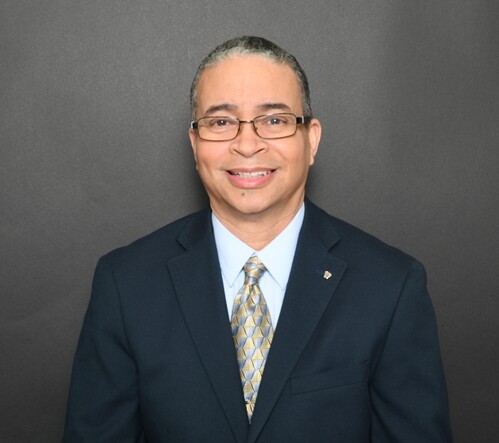
Dr. Eric M. Wallace, author of the new book, The Heart of Apostasy: How The Black Church Abandoned Biblical Authority for Political Ideology--And How to Reclaim It, is a trailblazing scholar, dynamic speaker, and passionate advocate for faith-based conservatism. With a distinguished academic background and an unwavering commitment to biblical truth, Wallace has become a leading voice challenging cultural and political narratives that conflict with a biblical worldview.
Wallace holds postgraduate degrees in biblical studies (M.A., ThM, Ph.D.), Wallace is the first African American to earn a Ph.D. in biblical studies from Union-PSCE (now Union Presbyterian Seminary). His scholarship and ministry experience equip him to address today’s most pressing sociopolitical issues through the lens of faith, reason, and historical accuracy.
Wallace holds postgraduate degrees in biblical studies (M.A., ThM, Ph.D.), Wallace is the first African American to earn a Ph.D. in biblical studies from Union-PSCE (now Union Presbyterian Seminary). His scholarship and ministry experience equip him to address today’s most pressing sociopolitical issues through the lens of faith, reason, and historical accuracy.
Recent
Maybe we've become too Selfish?
August 20th, 2026
Equal Before God, Unequal in Gifts
August 20th, 2026
Beyond Personality Politics: A Biblical Framework for Evaluating Our Leaders
July 27th, 2026
The NAACP's Moral Crisis: When Civil Rights Abandons Biological Reality
July 8th, 2026
Thomas Jeremiah, America's Founding, and the Importance of Telling the Whole Story
July 7th, 2026
Archive
2026
January
March
THE GEOPOLITICAL CHESSBOARD AND THE SPIRITUAL WAR WE’RE IGNORING--Part 1THE SPIRITUAL DIMENSION AND THE CHURCH’S COMPLICITY--Part 2Racism, Sin, and the Republican Party: A Christian ResponseA Moment of Reflection on the Life of Rev. Jesse Jackson Sr.Black Americans Are Not Hyphenated CitizensWhen “Jesus Never Said That” Becomes a License for ApostasyWhen Scripture Is No Longer First: The Heart of Apostasy in the Black Church and American PoliticsDemocrats Good……Trump Bad
April
When Conviction Becomes Costly: Faith, Culture, and the Silence of the ChurchNo Savior but Christ: When Politics Crosses a Sacred LineWhat Good Is a Worldview If We Are Not Guided by It?When Resurrection Sunday Becomes Interfaith: Why the Church Must Guard the GospelSocialism in the City: When Government Tries to Play GodWords Matter: The Dangerous Illusion Behind “Mass Incarceration”More Degrees, More Debt, Less Direction: Why Illinois Is Looking the Wrong Way on Workforce DevelopmentNow, I suppose, he’s a Hitlerian KingJustice Without Partiality: What the Louisiana Ruling Reveals About America’s Heart
May
June
July
America at 250 and Freedom's Journal at 200: The Unfinished Work of FreedomThomas Jeremiah, America's Founding, and the Importance of Telling the Whole StoryThe NAACP's Moral Crisis: When Civil Rights Abandons Biological RealityBeyond Personality Politics: A Biblical Framework for Evaluating Our Leaders
2025
February
March
July
September
October
November
2024
January
Cartoon 01/01/24Cartoon 01/02/24Claudine Gay Betrayed the American Values of My Black Elders to Exploit White GuiltCartoon 01/03/24Cartoon 01/05/24Cartoon 01/06/24Cartoon 01/07/24Cartoon 01/08/24We need a David, not a SaulCartoon 01/13/24Cartoon 01/09/24Cartoon 01/10/24Cartoon 01/11/24Cartoon 01/14/24Cartoon 01/12/24What Happens to a King Deferred? A ReduxCartoon 01/15/24Cartoon 01/16/24The Good Guys with Guns Part 1Cartoon 01/17/24America Works. DEI Doesn’t.Cartoon 01/18/24Cartoon 01/23/24Good Guys with Guns Part 2Cartoon 01/19/24Cartoon 01/21/24Cartoon 01/22/24Cartoon 01/24/24Cartoon 01/26/24Cartoon 01/25/24Cartoon 01/27/24
No Comments