
“Symbolism Is Not Salvation: A Black Conservative Response to Chicago’s Reparations Push”
By Dr. Eric M. Wallace
The Chicago City Council recently passed a resolution apologizing for slavery and systemic racism. The vote drew headlines not because it passed — that was predictable — but because four aldermen declined to support it. Their refusal triggered outrage, with one Black council member reportedly shouting, “Shame on you!”
Before we join the chorus, a better question is needed: What problem does this apology actually solve?
No serious thinker denies the evil of slavery or the enduring stain of racism in American history. But apologies disconnected from reform become political theater — symbolic gestures that pacify consciences without transforming conditions. Chicago does not suffer today because of an absence of apologies. Chicago suffers because of decades of failed leadership and policies that have devastated the very communities these resolutions claim to uplift.
A City in Crisis Needs Substance, Not Slogans
If apologies could save a city, Chicago would be flourishing. Instead, thousands of Black children remain trapped in failing schools. Criminals roam neighborhoods under soft-on-crime policies that embolden lawlessness. Businesses flee excessive regulation, economic stagnation deepens, and families suffer the consequences.
City leaders want to apologize for slavery, yet refuse to repent of the policies that are crippling Black families today.
Government cannot balance a budget, protect citizens, educate children, or reduce violence — but somehow believes it can heal historical wounds through symbolic resolutions. The irony is painful.
History Matters — But So Do Present Choices
Slavery ended 160 years ago. Jim Crow died three generations back. No Chicagoan alive today has been enslaved; none has owned a slave. Yet too many politicians remain committed to relitigating past sins while refusing to confront present failures.
If we are serious about the historical record, then let’s tell it honestly: Chicago did not participate in chattel slavery. If the City Council wishes to apologize for discriminatory policies practiced after slavery, then say so clearly. But attaching municipal guilt to national slavery — and then using it to justify potential payouts — stretches moral logic beyond recognition.
Scripture teaches individual responsibility:
“The soul who sins shall die.” — Ezekiel 18:20 . We are accountable for our sins, not someone else’s.
A healthy society must reject the idea of inherited guilt and collective condemnation. A just society confronts its past without weaponizing it against the present.
The Real Injustice: A Broken Moral Culture
The greatest crisis facing Black Chicago today is not historical. It is moral and cultural.
Nearly 70% of Black children are born into single-parent households. Illiteracy rates are staggering. Violence consumes our streets. Drugs, despair, and delinquency are the predators of our neighborhoods — not the long-dead plantation owner.
If we are sober, we will acknowledge the true legacy that holds us back: – Fatherless homes – Failing schools – Rampant crime – Government dependency – Churches unwilling to preach repentance and responsibility.
Politicians blame slavery because it requires no courage. Confronting the collapse of the family? That’s costly. Admitting decades of progressive policies have failed? Unthinkable.
For many, reparations are a substitute for repentance.
The Cost of Theatrics
Those who voted against the apology were scolded as though they were personally complicit in slavery. That kind of moral bullying reveals the true purpose of the resolution: not healing, but posturing.
Demanding apologies from people who did not commit the crime is not justice — it is ideological intimidation. It distracts from practical change.
What if instead of rehearsing history, we repaired homes?
What if instead of policing language, we protected families?
What if instead of demanding apologies, we demanded accountability?
Real justice is not measured in resolutions passed, but in families strengthened, children educated, and streets made safe.
From Apology to Action
If Chicago’s leaders genuinely care about “repair,” they should champion reforms proven to lift communities:
I’ve described this framework as the R.I.S.E. Principles: Responsible Government, Individual Liberty and Fidelity, Strong Family Values, and Economic Empowerment. These represent a path toward renewal rooted not in grievance, but in growth.
Truth Heals — Not Theatre
Slavery and racism were evil. But exploiting that history for political advantage only deepens division. Real healing comes through: truth, repentance, forgiveness, and restoration.
Christ offers reconciliation. Politicians offer resolutions.
The City Council can apologize for the sins of our ancestors if it wishes. But until it addresses the sins of the present — corruption, crime, dependency, spiritual emptiness — no amount of symbolic contrition will repair the heart of this city.
What Black Chicago needs is not another apology. It needs a revival of faith, family, virtue, and responsibility. It’s time to Repent Chicago!
That is the only reparations plan with the power to set us free.
The Chicago City Council recently passed a resolution apologizing for slavery and systemic racism. The vote drew headlines not because it passed — that was predictable — but because four aldermen declined to support it. Their refusal triggered outrage, with one Black council member reportedly shouting, “Shame on you!”
Before we join the chorus, a better question is needed: What problem does this apology actually solve?
No serious thinker denies the evil of slavery or the enduring stain of racism in American history. But apologies disconnected from reform become political theater — symbolic gestures that pacify consciences without transforming conditions. Chicago does not suffer today because of an absence of apologies. Chicago suffers because of decades of failed leadership and policies that have devastated the very communities these resolutions claim to uplift.
A City in Crisis Needs Substance, Not Slogans
If apologies could save a city, Chicago would be flourishing. Instead, thousands of Black children remain trapped in failing schools. Criminals roam neighborhoods under soft-on-crime policies that embolden lawlessness. Businesses flee excessive regulation, economic stagnation deepens, and families suffer the consequences.
City leaders want to apologize for slavery, yet refuse to repent of the policies that are crippling Black families today.
Government cannot balance a budget, protect citizens, educate children, or reduce violence — but somehow believes it can heal historical wounds through symbolic resolutions. The irony is painful.
History Matters — But So Do Present Choices
Slavery ended 160 years ago. Jim Crow died three generations back. No Chicagoan alive today has been enslaved; none has owned a slave. Yet too many politicians remain committed to relitigating past sins while refusing to confront present failures.
If we are serious about the historical record, then let’s tell it honestly: Chicago did not participate in chattel slavery. If the City Council wishes to apologize for discriminatory policies practiced after slavery, then say so clearly. But attaching municipal guilt to national slavery — and then using it to justify potential payouts — stretches moral logic beyond recognition.
Scripture teaches individual responsibility:
“The soul who sins shall die.” — Ezekiel 18:20 . We are accountable for our sins, not someone else’s.
A healthy society must reject the idea of inherited guilt and collective condemnation. A just society confronts its past without weaponizing it against the present.
The Real Injustice: A Broken Moral Culture
The greatest crisis facing Black Chicago today is not historical. It is moral and cultural.
Nearly 70% of Black children are born into single-parent households. Illiteracy rates are staggering. Violence consumes our streets. Drugs, despair, and delinquency are the predators of our neighborhoods — not the long-dead plantation owner.
If we are sober, we will acknowledge the true legacy that holds us back: – Fatherless homes – Failing schools – Rampant crime – Government dependency – Churches unwilling to preach repentance and responsibility.
Politicians blame slavery because it requires no courage. Confronting the collapse of the family? That’s costly. Admitting decades of progressive policies have failed? Unthinkable.
For many, reparations are a substitute for repentance.
The Cost of Theatrics
Those who voted against the apology were scolded as though they were personally complicit in slavery. That kind of moral bullying reveals the true purpose of the resolution: not healing, but posturing.
Demanding apologies from people who did not commit the crime is not justice — it is ideological intimidation. It distracts from practical change.
What if instead of rehearsing history, we repaired homes?
What if instead of policing language, we protected families?
What if instead of demanding apologies, we demanded accountability?
Real justice is not measured in resolutions passed, but in families strengthened, children educated, and streets made safe.
From Apology to Action
If Chicago’s leaders genuinely care about “repair,” they should champion reforms proven to lift communities:
- School choice so every child — not just the wealthy — can flourish
- Restoring law and order in every neighborhood
- Economic opportunity led by entrepreneurs, not bureaucrats
- Strengthening the Black family, starting with fatherhood
- Promoting faith-based institutions that build virtue and character
I’ve described this framework as the R.I.S.E. Principles: Responsible Government, Individual Liberty and Fidelity, Strong Family Values, and Economic Empowerment. These represent a path toward renewal rooted not in grievance, but in growth.
Truth Heals — Not Theatre
Slavery and racism were evil. But exploiting that history for political advantage only deepens division. Real healing comes through: truth, repentance, forgiveness, and restoration.
Christ offers reconciliation. Politicians offer resolutions.
The City Council can apologize for the sins of our ancestors if it wishes. But until it addresses the sins of the present — corruption, crime, dependency, spiritual emptiness — no amount of symbolic contrition will repair the heart of this city.
What Black Chicago needs is not another apology. It needs a revival of faith, family, virtue, and responsibility. It’s time to Repent Chicago!
That is the only reparations plan with the power to set us free.
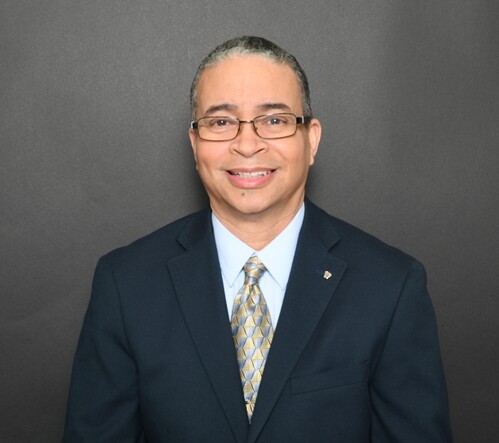
Dr. Eric M. Wallace, author of the new book, The Heart of Apostasy: How The Black Church Abandoned Biblical Authority for Political Ideology--And How to Reclaim It, is a trailblazing scholar, dynamic speaker, and passionate advocate for faith-based conservatism. With a distinguished academic background and an unwavering commitment to biblical truth, Wallace has become a leading voice challenging cultural and political narratives that conflict with a biblical worldview.
Wallace holds postgraduate degrees in biblical studies (M.A., ThM, Ph.D.), Wallace is the first African American to earn a Ph.D. in biblical studies from Union-PSCE (now Union Presbyterian Seminary). His scholarship and ministry experience equip him to address today’s most pressing sociopolitical issues through the lens of faith, reason, and historical accuracy.
Wallace holds postgraduate degrees in biblical studies (M.A., ThM, Ph.D.), Wallace is the first African American to earn a Ph.D. in biblical studies from Union-PSCE (now Union Presbyterian Seminary). His scholarship and ministry experience equip him to address today’s most pressing sociopolitical issues through the lens of faith, reason, and historical accuracy.
Recent
Maybe we've become too Selfish?
August 20th, 2026
Equal Before God, Unequal in Gifts
August 20th, 2026
Beyond Personality Politics: A Biblical Framework for Evaluating Our Leaders
July 27th, 2026
The NAACP's Moral Crisis: When Civil Rights Abandons Biological Reality
July 8th, 2026
Thomas Jeremiah, America's Founding, and the Importance of Telling the Whole Story
July 7th, 2026
Archive
2026
January
March
THE GEOPOLITICAL CHESSBOARD AND THE SPIRITUAL WAR WE’RE IGNORING--Part 1THE SPIRITUAL DIMENSION AND THE CHURCH’S COMPLICITY--Part 2Racism, Sin, and the Republican Party: A Christian ResponseA Moment of Reflection on the Life of Rev. Jesse Jackson Sr.Black Americans Are Not Hyphenated CitizensWhen “Jesus Never Said That” Becomes a License for ApostasyWhen Scripture Is No Longer First: The Heart of Apostasy in the Black Church and American PoliticsDemocrats Good……Trump Bad
April
When Conviction Becomes Costly: Faith, Culture, and the Silence of the ChurchNo Savior but Christ: When Politics Crosses a Sacred LineWhat Good Is a Worldview If We Are Not Guided by It?When Resurrection Sunday Becomes Interfaith: Why the Church Must Guard the GospelSocialism in the City: When Government Tries to Play GodWords Matter: The Dangerous Illusion Behind “Mass Incarceration”More Degrees, More Debt, Less Direction: Why Illinois Is Looking the Wrong Way on Workforce DevelopmentNow, I suppose, he’s a Hitlerian KingJustice Without Partiality: What the Louisiana Ruling Reveals About America’s Heart
May
June
July
America at 250 and Freedom's Journal at 200: The Unfinished Work of FreedomThomas Jeremiah, America's Founding, and the Importance of Telling the Whole StoryThe NAACP's Moral Crisis: When Civil Rights Abandons Biological RealityBeyond Personality Politics: A Biblical Framework for Evaluating Our Leaders
2025
February
March
July
September
October
November
2024
January
Cartoon 01/01/24Cartoon 01/02/24Claudine Gay Betrayed the American Values of My Black Elders to Exploit White GuiltCartoon 01/03/24Cartoon 01/05/24Cartoon 01/06/24Cartoon 01/07/24Cartoon 01/08/24We need a David, not a SaulCartoon 01/13/24Cartoon 01/09/24Cartoon 01/10/24Cartoon 01/11/24Cartoon 01/14/24Cartoon 01/12/24What Happens to a King Deferred? A ReduxCartoon 01/15/24Cartoon 01/16/24The Good Guys with Guns Part 1Cartoon 01/17/24America Works. DEI Doesn’t.Cartoon 01/18/24Cartoon 01/23/24Good Guys with Guns Part 2Cartoon 01/19/24Cartoon 01/21/24Cartoon 01/22/24Cartoon 01/24/24Cartoon 01/26/24Cartoon 01/25/24Cartoon 01/27/24
2 Comments
THANK YOU, DR. ERIC M. WALLACE, FOR THE TRUTH, PERIOD. BUT UNTIL THE CHICAGO MAYOR AND
n ILLINOIS GOVENOR ARE REMOVED, NOTHING WILL CHANGE, BOTH NEED TO BE IN PRISON.
Great insight and presentation. Currently reading The Heart of Apostasy. Loving it. Looking forward to corresponding further after I've completed and organize my many notes.
nPress On my dear brother